Why Winter Is the Best Time to Get a Termite Inspection (Most Sydney Homeowners Don’t Know This)
Most people assume summer is when termites are at their worst. It makes sense, warm weather, more insects, more activity visible in the garden. But when it comes to termite inspections specifically, winter is actually the better time to book one. And the reasons why might surprise you.
Here’s what’s really going on beneath your floorboards, inside your walls, and behind your skirting boards when the temperature drops, and why it makes winter the smartest time to get a professional termite inspection in Sydney
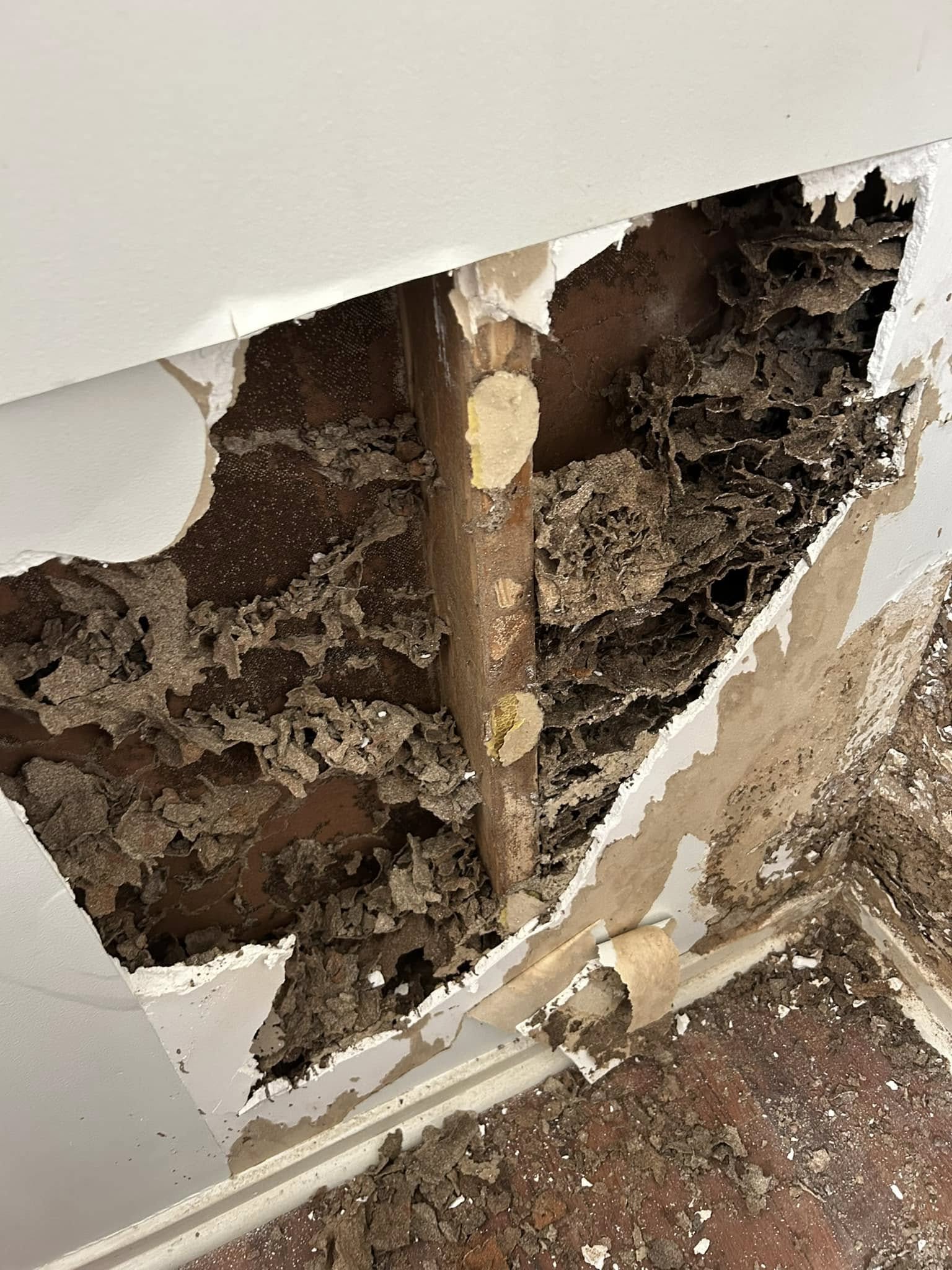
Termites Don’t Hibernate over Winter, They Feed Up Instead.
Let’s clear something up right away: termites do not slow down in winter. Not in Sydney, anyway.
While other insects go quiet during the colder months, termites are subterranean creatures. They live deep in the soil and inside the timber of your home, where temperature fluctuations are minimal. They maintain a fairly stable environment year-round by going deeper underground or further into the structure of a building.
The result? In winter, termites are feeding non-stop.
They’re not swarming, they’re not reproducing, they’re not distracted by anything. They are focused entirely on one thing: eating.
And because of that relentless, concentrated feeding activity, they’re actually noisier, more active in one location, and far easier for a trained technician to detect.
An experienced termite inspector using detection equipment, like a Termatrac device, can often pick up termite activity through the sound of them chewing.
In winter, when feeding is at its peak, that signal is stronger and more reliable.
The Termite Signs You Could Misread
Here’s the thing that frustrates us. Every winter, we do termite inspections for Sydney homeowners who have been living with active termite damage for months, sometimes years, without realising it. Because the signs were there. They just got blamed on something else.
These are the most common ones:
Doors and Windows That Suddenly Jam or Stick
When the cooler, wetter months arrive, a lot of homeowners notice their doors and windows are harder to open and close. The instinctive explanation is moisture, the timber in the frames has swelled with the rain and humidity.
Sometimes that’s true. But sometimes it’s termites.
Termites eat timber from the inside out. As they hollow out door frames, window sills, and the surrounding structural timber, the remaining material loses its rigidity and shape. The frame warps. The door no longer sits correctly. You assume it’s a wet weather problem and make a mental note to get it fixed in spring….Meanwhile, the termites keep eating.
If your doors or windows are jamming, especially if it’s happening in multiple spots around the house, don’t assume it’s just the damp weather. Get it checked.
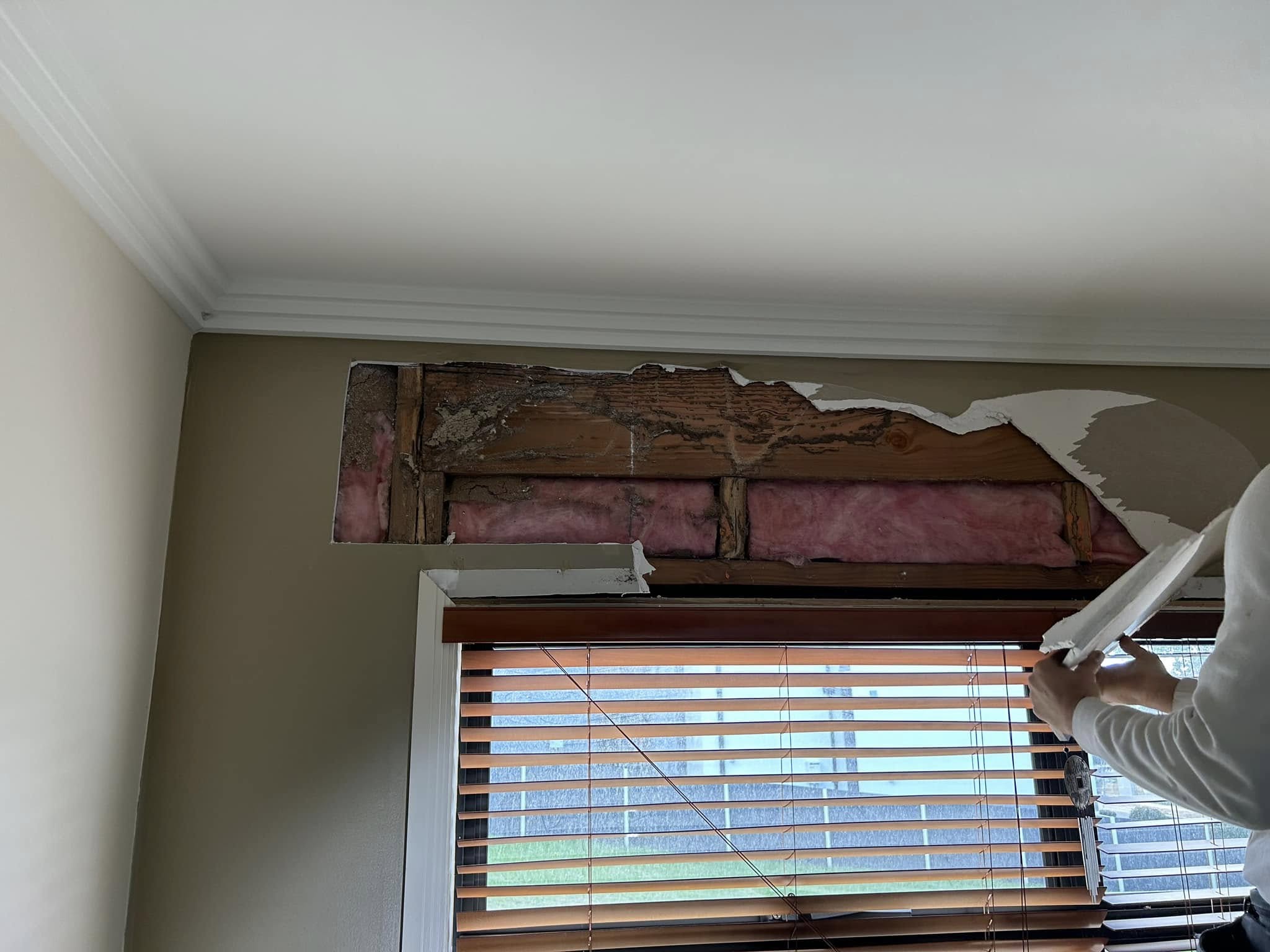
Mud or Dirt Appearing on the Outside of Your Home
Termites build mud tubes, also called shelter tubes, to travel between their nest and their food source (your home) without being exposed to air and light. These tubes are made from a mixture of soil, timber particles, and termite saliva.
In winter, when termites are feeding heavily and building actively, mud tube construction is at its peak. You might notice thin trails of dried mud running up an external wall, along the edge of your foundation, up a fence post, or across concrete paths.
A lot of people see this and think it’s just dirt splashed up from rain. Some notice it and wonder what it is but don’t think much of it.
Very few people recognise it immediately as a termite warning sign, because nobody tells them to look for it.
Now you know. If you spot unexplained mud or dirt trails on the outside of your home, call a termite specialist before you wipe it off.
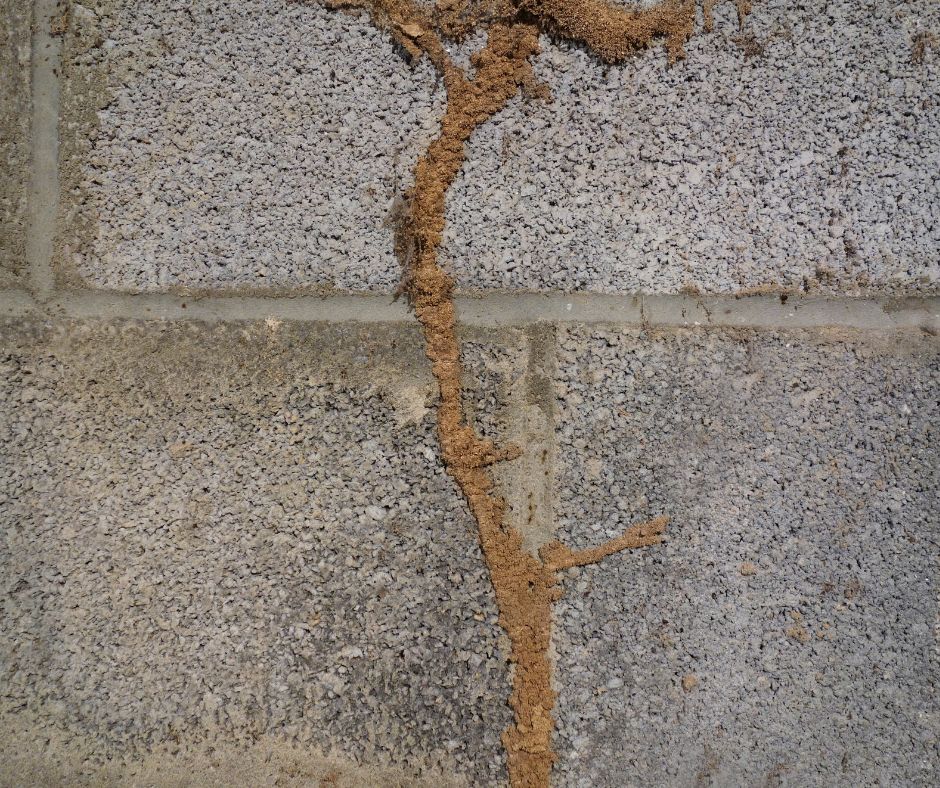
Tiny Holes Appearing in Your Ceiling or Walls
Termites occasionally breach the surface of the material they’re eating, plaster, gyprock, paint, and small holes appear. Sometimes it’s just a pinprick. Sometimes there’s fine, sandy debris around it that looks a bit like sawdust.
If you spot holes appearing in your ceiling or walls with no obvious explanation, it’s worth taking seriously. This is one of the clearest signs that termites have been active inside the structure of your home for some time.
Why Summer Inspections Can Miss Termite Activity
This is where it gets counterintuitive.
Summer is swarming season. Flying termites (alates) take to the air to find new locations and establish new colonies. It’s dramatic, it’s visible, and it sends a lot of people into a panic, which is understandable. But a swarm happening near your home doesn’t necessarily mean your home is infested. Termites can swarm from nests in the garden, in a neighbour’s property, or from trees nearby.
More importantly, the swarm itself is a distraction from what really matters: where the colony is, how established it is, and whether it’s already inside your home.
During summer, termite colonies can also be more spread out. Workers travel further from the nest to forage when conditions are warm. That means an inspection during summer might not capture the full picture of where a colony is feeding and nesting.
In winter, the colony pulls back. Activity is concentrated. The feeding is happening in fewer, denser locations, which makes detection more accurate.
If you want a termite inspection that gives you the clearest possible picture of what’s happening, winter is the time to do it.

What Happens During a Termite Inspection
A professional termite inspection with So Pest Off isn’t a quick walk through the house. It’s a thorough assessment of every accessible area of your property, following Australian Standard AS 3660.
That includes:
- Inside the home: subfloor (if accessible), internal walls, skirting boards, door and window frames, wet areas like bathrooms and laundries (termites love moisture), built-in cabinetry, and roof void.
- Outside the home: the perimeter of the building, foundation, external walls, fences, garden timbers, trees, and any outbuildings like sheds or garages.
We use a combination of visual inspection, moisture meters, and acoustic/microwave detection equipment (including Termatrac) to identify active termite activity, old damage, and high-risk conditions, even when there’s nothing visible to the naked eye.
At the end of the inspection, you’ll receive a detailed report outlining what was found, the risk level, and recommendations for treatment or prevention. No jargon. No upselling. Just honest information so you can make an informed decision.

What Comes After the Inspection
If active termites are found, we’ll discuss your treatment options, including:
- Termite baiting systems (like Trelona): bait stations are installed in the ground around your property. Termites feed on the bait, take it back to the colony, and eliminate it from the inside.
- Chemical termite barriers (like Termidor): a treated zone is created in the soil around your home’s perimeter. Termites pass through it, pick up the chemical, and transfer it to the rest of the colony through normal social contact.
- For existing barriers and bait stations, winter is also the right time for reticulation top-ups and servicing. Chemical barriers can break down over time, and bait stations need to be checked and replenished regularly. Getting this done in winter means your protection is at full strength heading into spring, which is when swarming season begins.
If no active termites are found, you’ll have documented proof of a clear inspection, which is useful for insurance purposes, property sales, and general peace of mind.
How Often Should You Get a Termite Inspection?
Australian Standard AS 3660 recommends a termite inspection every 12 months for most properties. In high-risk areas, which includes a significant portion of Sydney’s Hills District and surrounding suburbs, inspections every 6 months are strongly advisable.
Properties that should be considered higher risk include:
- Homes with a history of termite activity
- Properties adjacent to bushland, parks, or heavily treed areas
- Homes with known moisture issues (leaking pipes, poor drainage, damp subfloor)
- Older properties without a chemical barrier or monitoring system in place
- Properties where the last inspection was more than 12 months ago
If you’re not sure when your last inspection was, or if you’ve never had one done, winter is the perfect time to start.
We Cover All of Sydney
So Pest Off is based in Rouse Hill in the Hills District, but we do termite inspections, termite treatments, and barrier top-ups right across Sydney, including the Northern Beaches, the Hills District, Blacktown, Hawkesbury, and surrounding suburbs.
If you’re seeing any of the warning signs mentioned in this article, sticking doors, mud trails, unexplained holes, or if you just want the peace of mind of knowing your home is clear, give us a call on 0410 244 244 or get in touch through the website.
Don’t wait until summer to find out what’s been going on all winter.
Frequently Asked Questions About Termite Inspections
Do termites go away in winter?
No. Termites don’t hibernate or slow down in winter, especially in Sydney’s mild climate. They continue feeding year-round, and in winter they tend to concentrate their activity in fewer locations, making them easier to detect during a professional inspection.
Why is winter a good time for a termite inspection?
In winter, termites aren’t swarming or spreading out to forage, they’re feeding heavily in concentrated areas. This makes them noisier, easier to detect with acoustic equipment, and more likely to have visible signs like mud tubes and surface damage. Winter inspections often give a clearer, more accurate picture of what’s happening inside your home.
Can termites cause doors and windows to jam?
Yes. Sticking doors and windows in winter are often blamed on moisture and timber swelling, and sometimes that’s the case. But termites eat timber from the inside out, which causes frames to warp and lose their shape. If multiple doors or windows are jamming at once, it’s worth getting a termite inspection before assuming it’s just the weather.
What are mud tubes and why do they appear in winter?
Mud tubes (also called shelter tubes) are structures termites build from soil, timber particles, and saliva to travel between their nest and your home without being exposed to air and light. Mud tube construction is most active in winter when termites are feeding heavily. You might see them running up external walls, along foundations, or across paths and fences.
Is summer a better time to get a termite inspection?
Actually, no. Summer is swarming season, which means termite colonies are spread out and harder to locate accurately. In winter, colonies pull back and concentrate their feeding, which makes inspections more precise. If you want the clearest snapshot of your property’s termite risk, book in winter.
How often should I get a termite inspection in Sydney?
Australian Standard AS 3660 recommends at least once every 12 months. For higher-risk properties, those near bushland, with moisture issues, or with a history of termite activity, every 6 months is strongly advisable. The Hills District and many parts of Sydney fall into the higher-risk category.
What does a termite inspection cover?
A So Pest Off termite inspection covers all accessible areas of your property, including internal walls, skirting boards, door and window frames, wet areas, subfloor, roof void, and the full exterior perimeter, including fences, trees, garden timbers, and outbuildings. We use moisture meters and acoustic/microwave detection equipment alongside a thorough visual inspection. You’ll receive a detailed written report at the end.
What happens if termites are found during the inspection?
We’ll walk you through your treatment options on the spot. Depending on the situation, that might include a chemical termite barrier (like Termidor), a baiting system (like Trelona), or both. We also service and top up existing barriers and bait stations, winter is a great time to do this so your protection is at full strength before swarming season starts in spring.
Do you do termite inspections across all of Sydney?
Yes. So Pest Off is based in Rouse Hill but services the entire Sydney metro area, including the Hills District, Northern Beaches, Blacktown, Hawkesbury, and surrounding suburbs. Call us on 0410 244 244 to book.


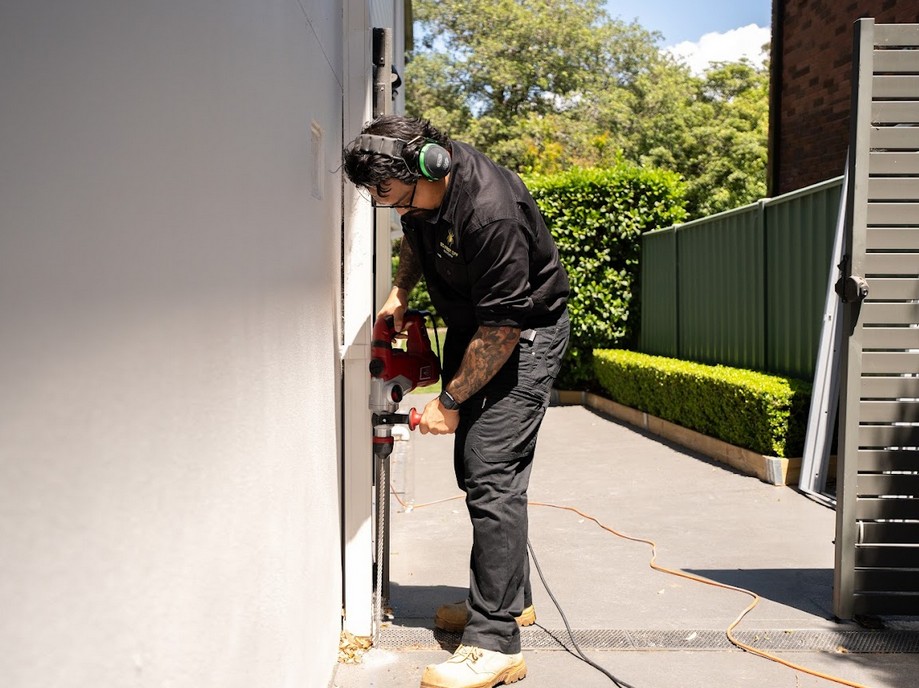
Pest Control Services
Get A Free Quote
Contact us today for a free, no-obligation quote on your pest control needs.