Bird Proofing Sydney Properties Without Unsightly Spikes or Netting
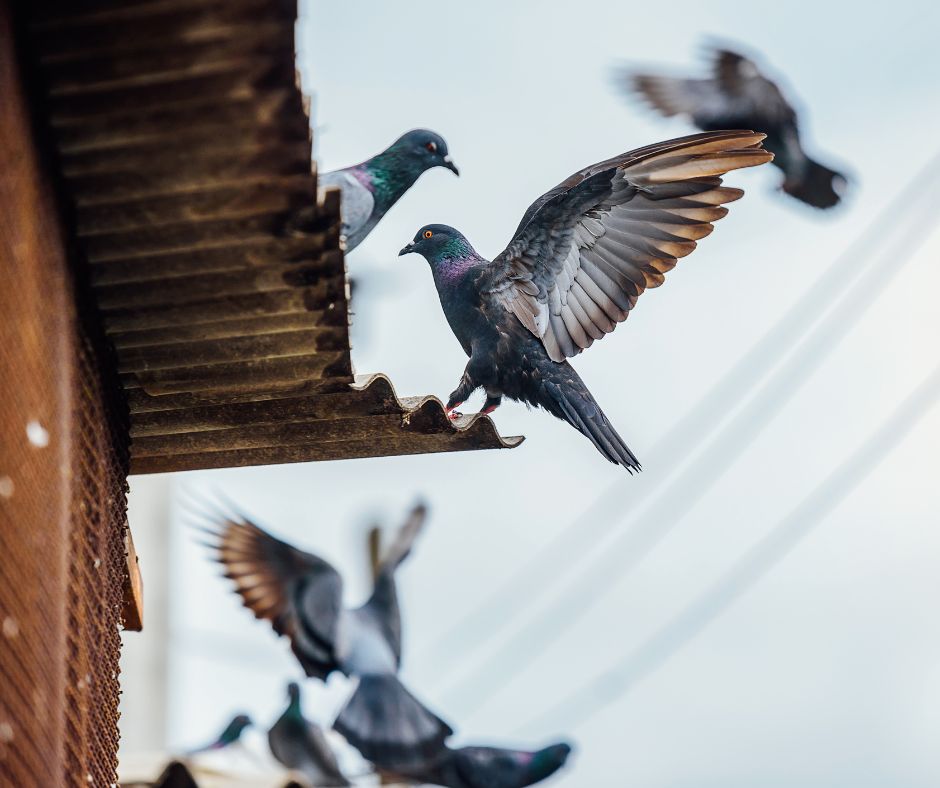
If you’re dealing with pigeons, Indian mynas, starlings, sparrows, or other pest birds, finding an effective bird proofing solution can be challenging.
Traditional bird control methods such as bird spikes and bird netting are effective, but they aren’t always suitable. Spikes can be visually intrusive, while bird netting can alter the appearance of a building and obstruct views.
For homeowners, strata properties, commercial buildings, shopping centres, warehouses, and industrial facilities, there is another option.
Bird repellent gel systems provide a discreet, humane, and highly effective form of bird proofing that helps prevent birds from landing, roosting, and nesting on your property without affecting its appearance.
What Is Bird Repellent Gel?
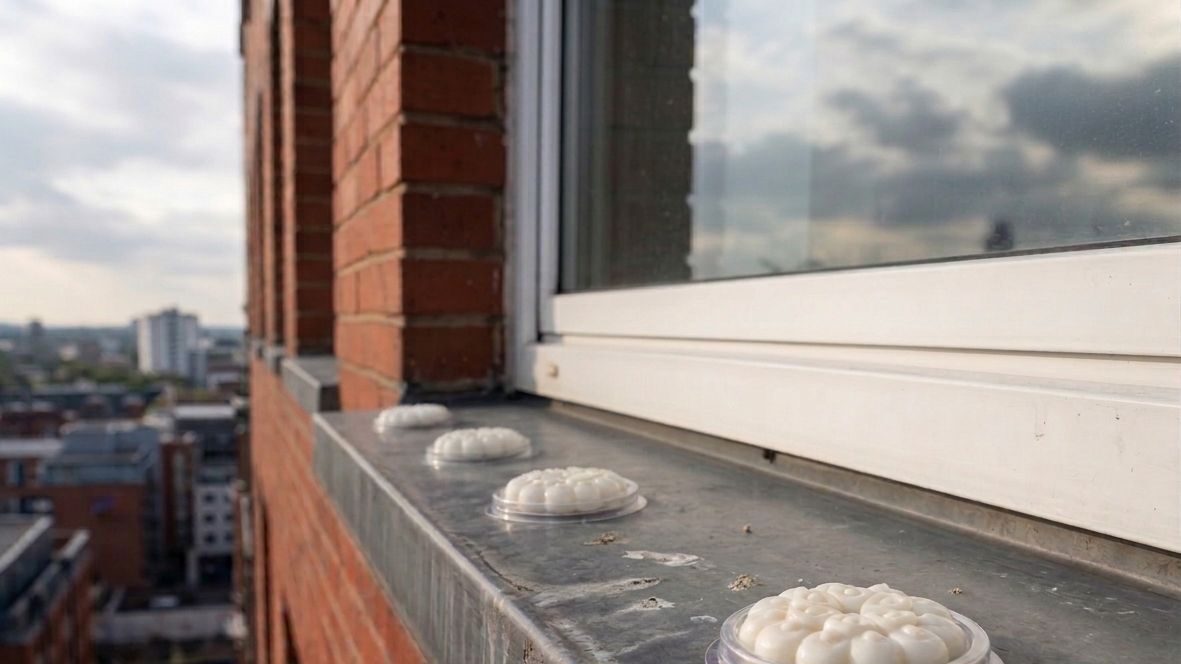
Bird repellent gel is an advanced bird deterrent system designed to discourage birds from landing on treated surfaces.
The gel is applied to strategic locations including:
- Rooflines
- Window ledges
- Building facades
- Air conditioning units
- Signage
- Solar panel surrounds
- Balconies
- Beams and structural steel
Modern bird repellent gels use a combination of visual, scent, and tactile deterrents to make treated areas unattractive to birds.
Many professional bird gel products create a visual effect that birds perceive as a danger zone, encouraging them to avoid the area entirely. Combined with an unpleasant texture and scent, the result is a highly effective bird control solution that remains virtually invisible to people.
Why Bird Gel Is One of the Most Effective Bird Deterrents
Humane Bird Control
Bird repellent gel does not trap, poison, or injure birds.
Instead, it changes their behaviour by making treated surfaces undesirable, encouraging them to relocate naturally.
For property owners seeking a humane bird control solution, bird gel is one of the safest and most environmentally responsible options available.
Discreet Bird Proofing
Unlike bird spikes or bird netting, bird gel is almost invisible once installed.
This makes it particularly popular for:
- Residential homes
- Heritage buildings
- Luxury apartments
- Retail centres
- Office buildings
- Schools
- Churches
Property owners can achieve effective bird proofing without compromising aesthetics.
Effective Against Multiple Bird Species
Professional bird gel systems are effective against many common pest birds found throughout Sydney, including:
- Pigeons
- Indian Mynas
- Starlings
- Sparrows
- Seagulls
- Other nuisance bird species
This makes bird gel a versatile bird deterrent solution for residential and commercial properties alike.
Where Bird Repellent Gel Works Best
Bird gel is ideal for areas where traditional bird proofing systems may be impractical, expensive, or visually intrusive.
Common applications include:
Bird Proofing Solar Panels
Birds frequently nest beneath solar panels, causing noise, damage, and hygiene concerns. Bird gel can be used as part of a comprehensive solar panel bird proofing solution.
Bird Control for Commercial Buildings
Office buildings, shopping centres, warehouses, and strata complexes often require discreet bird management solutions. Bird gel provides effective commercial bird control without altering the appearance of the property.
Residential Bird Proofing
Homeowners often choose bird gel because it protects rooflines, balconies, pergolas, and outdoor entertaining areas without the industrial appearance of spikes or netting.
Heritage Building Bird Control
Many heritage-listed buildings cannot be drilled into or modified. Bird gel provides a non-invasive bird proofing solution that preserves the building’s appearance while preventing bird activity.
Professional Bird Proofing Sydney
At So Pest Off Pest Control, we provide professional bird proofing services, bird control solutions, pigeon control, Indian myna management, and bird deterrent installations throughout Sydney.
Every property is different, which is why we tailor our bird management solutions to suit your building, budget, and level of bird activity.
Whether you’re dealing with pigeons nesting on your roof, birds fouling your signage, or ongoing bird problems around a commercial property, our team can recommend the most effective bird proofing system for long-term results.
Looking for Bird Proofing in Sydney?
If you’re searching for:
- Bird Proofing Sydney
- Bird Control Sydney
- Pigeon Control Sydney
- Bird Deterrent Systems
- Commercial Bird Control
- Residential Bird Proofing
- Bird Nest Removal Sydney
- Humane Bird Control
Contact So Pest Off Pest Control today to arrange a site inspection and receive expert advice on the best bird proofing solution for your property.


Pest Control Services
Get A Free Quote
Contact us today for a free, no-obligation quote on your pest control needs.