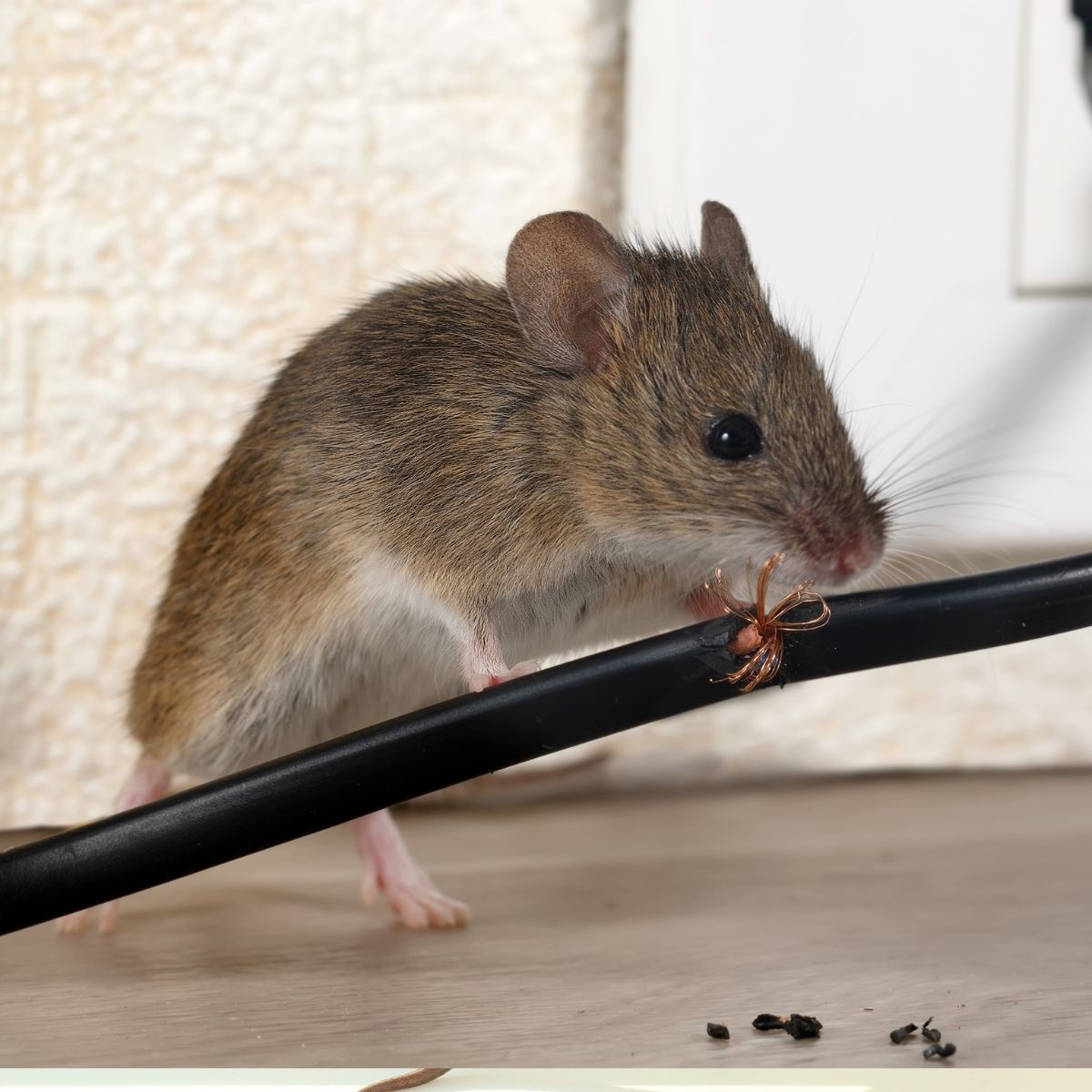
The best way to deal with rats and mice isn’t to poison them, it’s to stop them getting in. That’s true for any Sydney home, and it matters more than ever now that the strongest rat baits have been pulled from supermarket and hardware shelves.
Here’s how to rodent-proof your home properly, and where a professional makes the difference.
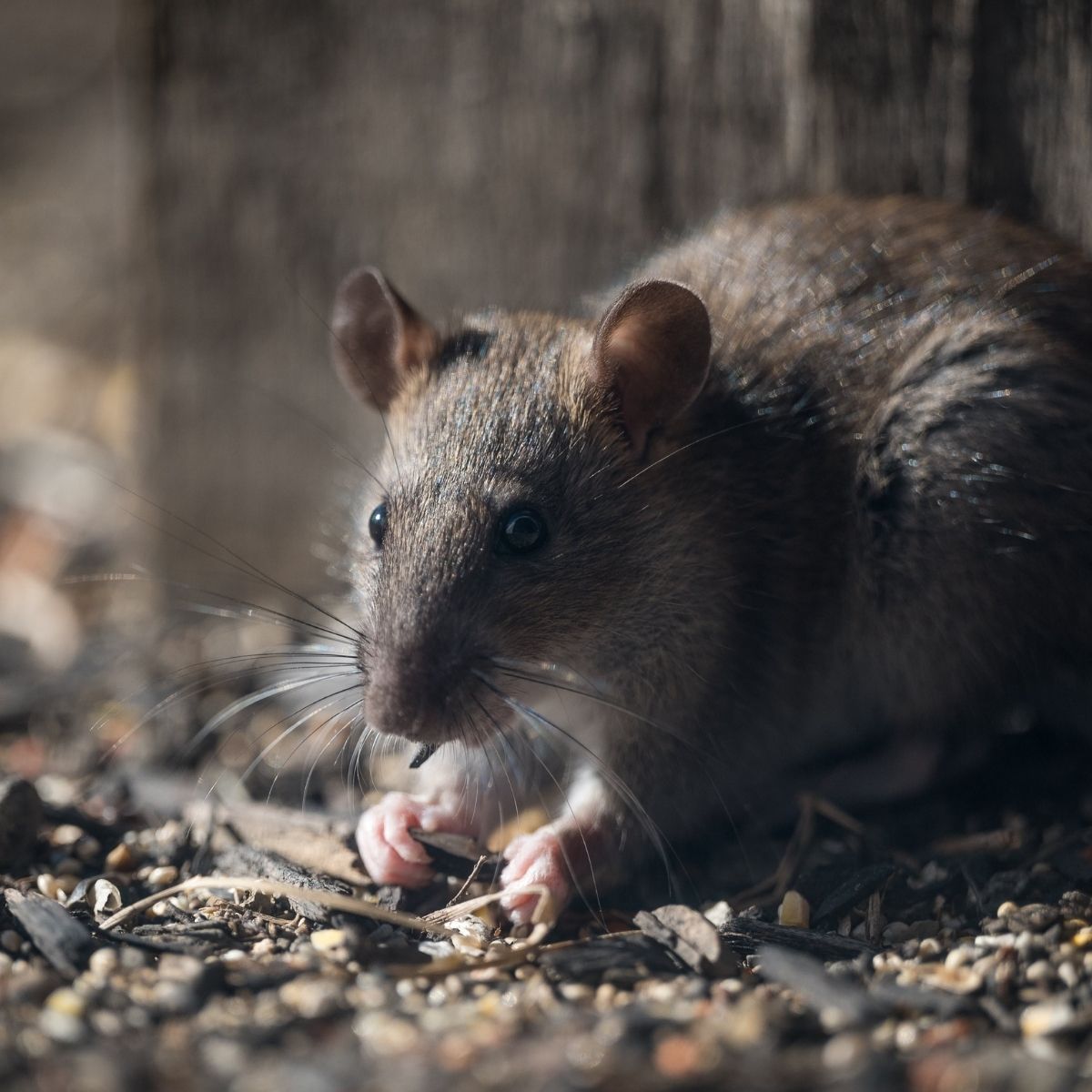
Why Proofing Beats Poison
Poison kills the rats you’ve already got. It does nothing to stop the next lot coming in. If the gaps are still there, you’re signing up for the same problem every season.
There’s also the wider cost. The reason Australia restricted those retail baits in 2026 is that they were poisoning the wrong animals, owls, other native predators, and family pets that got into the bait or ate a poisoned rat. (We’ve explained that change in full in our guide to the new rat bait laws.) Proofing sidesteps all of it. Seal the home, and you’re not leaning on poison in the first place, which is also the most humane way to deal with rodents.
So the order matters: proof first, then bait only where it’s genuinely needed.
Seal the Gaps, Start With How They Get In
A mouse fits through a gap about 6mm wide. A rat needs not much more than the size of your thumb. So the job is finding and closing those gaps before anything else.
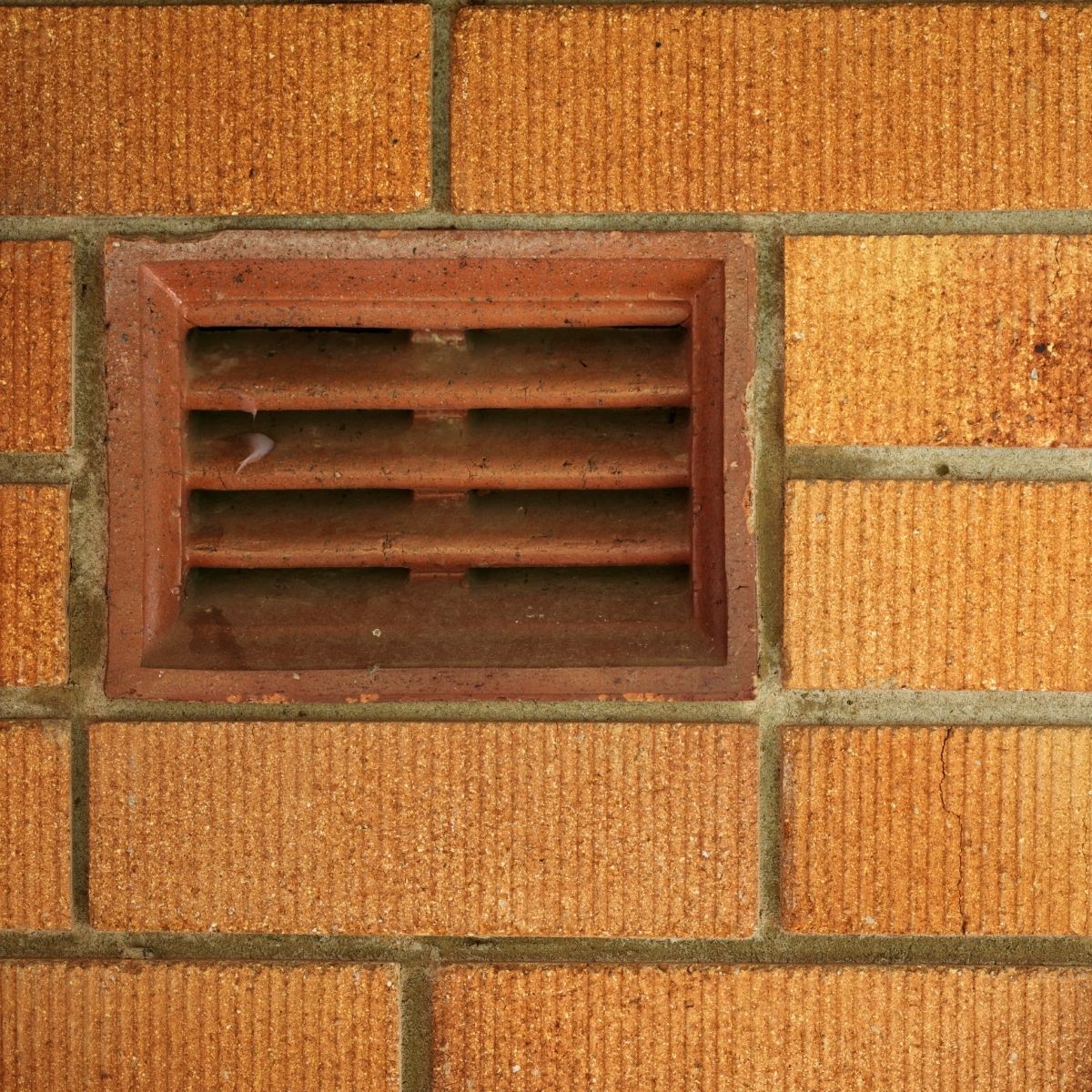
Weep Holes
The little vertical slots in your brickwork are a classic entry point. Plastic covers get chewed straight through. We fit metal weep hole covers that still let the wall breathe but stop rodents getting in for good.
Doors and Vents
Gaps under external doors are one of the top three ways rodents walk straight in, door seals or sweeps fix that. Eave, gable and subfloor vents should be screened with steel mesh that keeps the airflow your home needs.
Roof, Eaves and Pipes
The roof void is the number one rat complaint we hear in Sydney. Lifted tiles, gaps where the eaves meet the wall, and the holes where plumbing or conduit enters the house all need sealing. Skip the expanding foam and steel wool, they get chewed or rust out over time. Stainless mesh and proper sealant hold.
Cut Off the Highways
Rodents don’t just walk in at ground level, they climb.
- Trim back overhanging branches. A tree touching the roofline is a direct path into the gutters and roof void.
- Guard the climbers. Drainpipes, verandah posts and cables running up the wall all get used as ladders.
- Take away the food. Don’t leave pet food out, store dry goods in sealed containers, and keep bins shut.
- Clear the clutter. Sheds, woodpiles and boxes stored on the ground make ideal nesting spots.
The Bit Most Guides Skip, Knowing Exactly Where They’re Getting In
Every rodent-proofing guide tells you to “find the entry points.” Almost none tell you how. So most people seal what they can see and hope they got the right spots.
This is where the right monitoring earns its keep, not to trap rats forever, but to show us exactly where to seal so they can’t get back in. We can set up monitored bait stations or traps where they’re needed, but the goal is always the same: stop the problem at the source, not manage it on a subscription.
We do this with Bluetooth-monitored bait stations that track exactly where rodents are active, where they’re coming in, where they’re moving, and when. That turns proofing from guesswork into an exact plan: we seal the points they’re actually using, not every possible gap on the building.
For most homes, a thorough inspection and proofing does the job. But in higher-end properties, where people want the problem solved precisely and permanently, the monitored approach is well worth it.
For Restaurants and Commercial Properties
For a café, restaurant or any food premises, this monitoring is a game-changer. You can’t afford rodents on site, and you can’t afford to guess. The Bluetooth stations show exactly where activity is happening, so we proof the building to an exact standard and keep records that stand up to a council inspection. (See our commercial and hospitality pest control services.)
Why We’re Seeing More Rodents in Areas Like Box Hill
Some Sydney suburbs are copping it worse than others right now. Box Hill is a good example, the major subdivisions and construction out there are tearing up the ground rodents were living in, and they’re being pushed straight into nearby homes. If there’s a lot of development around you, proofing isn’t a “maybe later” job. It’s worth doing now, before they find the gap.
When Baiting Is Needed, Done Properly
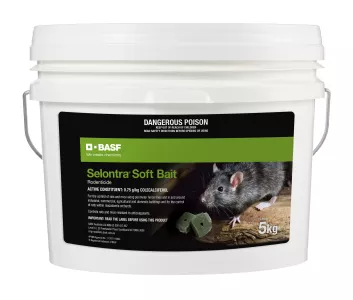
Sometimes proofing alone isn’t enough, and that’s where professional baiting comes in. The bait we use is Selontra: a professional product that isn’t caught up in the retail withdrawal. It has a “stop-feed” action, meaning rodents stop eating within about a day, so the problem is brought under control faster and with less bait.
We only use it as part of a managed program, monitored stations, refilled and checked, never just left in your roof. It isn’t a supermarket product and it isn’t risk-free, which is exactly why it’s handled by a licensed technician. (More on the bait rules in our new rat bait laws guide.) You can also read about our full rodent control service.
Frequently Asked Questions
How do mice and rats get into a house?
Mice fit through a gap about 6mm wide and rats through one the size of a thumb, so the common entry points are weep holes, gaps under doors, unscreened vents, lifted roof tiles, and holes where pipes enter the wall. Climbing routes like overhanging branches and drainpipes get them onto the roof. Sealing these gaps is the core of rodent-proofing.
What’s the best way to keep rats out for good?
Exclusion, physically sealing every entry point, is the only thing that keeps rats out long-term. Poison reduces the rats you have but doesn’t stop new ones moving in. Metal weep hole covers, door seals, vent mesh and trimmed branches do far more than bait alone. Proof the home first and bait only where it’s still needed.
Do metal weep hole covers really work?
Yes. Weep holes are a common entry point in Sydney brick homes, and plastic covers get chewed through. Metal covers block rodents while keeping the ventilation and moisture escape the wall needs. They’re one of the most effective single proofing steps on a brick home.
Can you tell exactly where rodents are getting into my property?
Yes, we use Bluetooth-monitored bait stations that track where rodents are active and moving, so we can pinpoint the actual entry points rather than guessing. This is especially valuable for restaurants and commercial sites, and for homeowners who want the problem solved precisely. Call So Pest Off on 0410 244 244 to arrange an inspection.
Is it too late to rodent-proof if I already have rats?
No, but you’ll likely need baiting alongside proofing. Sealing the home stops more coming in, while a managed baiting program deals with the ones already inside. Doing only one or the other is why problems come back, we handle both as a single plan.
The Takeaway
Keeping rats out comes down to three things: close the gaps, cut off the climbing routes, and only reach for bait where it’s genuinely needed. Do it in that order and you’re not relying on poison to fix a problem the building keeps inviting back.
If you want it done properly, and want to know exactly where they’re getting in, give So Pest Off a call on 0410 244 244.


Pest Control Services
Get A Free Quote
Contact us today for a free, no-obligation quote on your pest control needs.