Rats in the roof are the rat problem we hear about most in Sydney homes, and getting rid of them does not have to mean poisoning the native birds and pets that live around your home. The most humane way to get rid of rats is to stop them getting in, take away what is attracting them, and use well-designed snap traps for any rats already inside. Glue boards and anticoagulant rat poisons cause slow, painful deaths, and RSPCA Australia does not consider either of them humane.
This guide explains how to tell whether you have rats in the roof, how to get them out without poison, which traps are humane, and when it makes sense to bring in a licensed pest controller.
Key Takeaways
- Sealing the gaps rats use to get into the roof is the step that stops them coming back.
- RSPCA Australia says well-designed snap traps, used properly, consistently give a quick death.
- Anticoagulant rat poison can take up to seven days to kill, and the APVMA restricted the strongest baits in March 2026.
What Is the Most Humane Way to Get Rid of Rats?
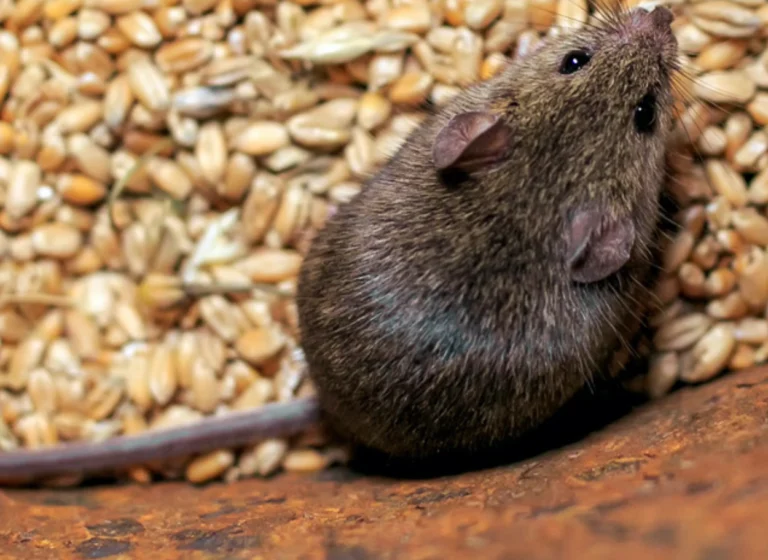
RSPCA Australia advises that the most humane approach is to stop rats and mice from settling in the first place, and where control is needed, to use a method that kills quickly. In its guidance on the most humane way to kill pest rats and mice, the RSPCA says well-designed snap traps that are used properly consistently give a quick death, and that they can be cleaned and reused.
Humane rat control has two parts. The first part is keeping new rats out by sealing the entry points and removing their food and shelter. The second part is dealing with the rats that are already inside your roof, garage or shed. If you only do the second part, the next rats will use the same gaps.
Signs You Have Rats in the Roof
The most common sign of rats in the roof is scratching or scurrying in the ceiling or walls at night. Our rodent control technicians also look for these signs during an inspection:
- Droppings around the kitchen, along skirting boards or in storage areas.
- Gnaw marks on cables, furniture or food containers.
- A musty or foul smell in hidden areas.
- Activity in the roof void, the garage or near the rubbish bins.
Rats chew through electrical wiring, furniture and insulation, and their urine and droppings contaminate food preparation surfaces. Rats are good climbers, so they often get into the ceiling along roof lines, through broken tiles and through gaps where the eaves meet the wall.
How to Get Rid of Rats in the Roof Without Poison
To get rats out of the roof without poison, find the gaps they are using, seal them with materials rats cannot chew through, and trap any rats left inside. A mouse can fit through a gap about the size of your fingertip, so the inspection needs to cover the whole house, inside and out.
These are the most common ways rats and mice get into a Sydney home:
- Weep holes in the brickwork, which mice and young rats can walk straight through.
- Gaps under the garage roller door and the back door.
- Holes where pipes and cables enter the wall.
- Lifted or broken roof tiles and gaps along the eaves.
Rats chew through ordinary caulk, putty and plastic covers, so use steel. We fit metal weep hole covers, door brush seals, rodent-proof mesh and sealant around pipe and cable penetrations. Blocking a hole with furniture or a box does not work, because rats and mice slip around it. Trim back branches and hedges that touch the roof, because a tree touching the roofline gives rats a direct path into the gutters and the roof void. Our guide on how to keep rats and mice out of your home covers each entry point in more detail.
Humane Rat Traps: Snap Traps, Live Traps and Glue Boards
RSPCA Australia rates a well-designed snap trap as more humane and faster than live trapping. Choose a reliable trap sized for rats or mice that closes with the animal’s head fully inside the trap area. The RSPCA gives these tips for setting snap traps:
- Put fresh bait, such as peanut butter, dried fruit or bread, only in the marked bait area.
- Place the trap parallel to a wall and touching it, where the rat already runs.
- Check every trap every morning, and replace any trap that fails with a better design.
Live traps catch a rat without killing it, but the RSPCA says the evidence suggests relocated animals often have a very low survival rate, so releasing a rat somewhere new is unlikely to be kinder. If you use a live trap, check it every morning and take the rat in the trap to a vet clinic for humane killing as soon as possible. Ask the clinic first whether it can do this.
Avoid glue boards. The RSPCA opposes them because trapped animals can suffer for hours or days, and they catch native animals and birds as well as rats. You can read the RSPCA’s reasons in what are glue boards and why are they inhumane.
Why Rat Poison Is Not a Humane Option
Anticoagulant rat poison stops the blood from clotting, and RSPCA Australia says it can take up to seven days for the rat to die. The RSPCA does not consider anticoagulant poisons humane because of the prolonged pain and distress they cause. Native animals that eat a poisoned rat can be poisoned too, which the RSPCA explains in the risks to native wildlife from rodent poison.
On 10 March 2026 the Australian Pesticides and Veterinary Medicines Authority (APVMA) certified that second-generation anticoagulant rodenticides should be declared restricted chemical products, and it suspended the registration of every product containing them for one year from 24 March 2026. The APVMA found that the way these baits were being used presented unacceptable risks to non-target animals, including native wildlife. We explain what changed for homeowners in our guide to the new rat bait laws in Australia.
How to Stop Attracting Rats to Your Home and Yard
Rats stay where they can find food, water and somewhere to nest, so removing those three things makes your home much less attractive to them. Rats eat leftover food scraps, pet food and bird seed.
- Feed pets inside, or pick up their bowls as soon as they have finished eating.
- Store dry food in sealed containers and keep the bin lids shut.
- Keep chicken runs and aviaries clean, store the feed in sealed bins and seal the gaps into the coop.
- Keep the lawn mown and the hedges trimmed so rats have fewer places to hide.
- Clear out stored furniture, timber and boxes from under the house, the shed, the garage and spare rooms.
If a neighbour’s yard is attracting rats, try talking to them first. If that does not help, contact your local council about the problem.
When to Call So Pest Off for Rodent Control
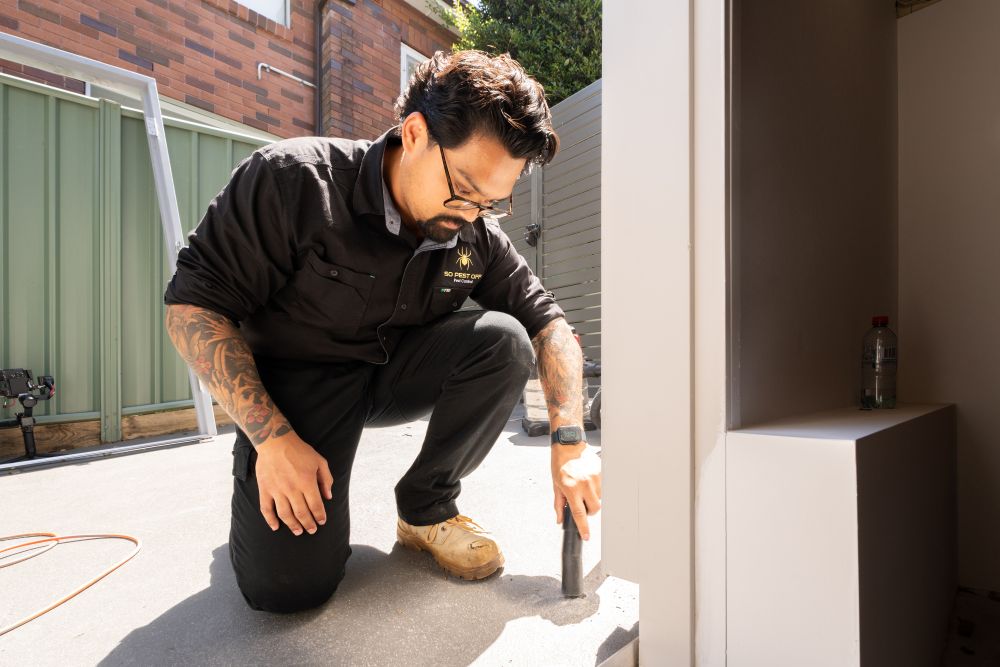
If you are still hearing rats after sealing the gaps and trapping, the rats may be using entry points you cannot see or reach. So Pest Off runs rodent control as an ongoing program for homes and businesses, as part of our wider pest control across Sydney. We do not take on one-off rodent baiting jobs, because baiting needs regular reassessment and a single treatment leaves the entry points open.
The program starts with a full inspection of the roof void, wall cavities, subfloor and outside access points. We then set up tamper-resistant lockable bait stations where activity is confirmed, and the station stays at your property. We use Selontra, a professional BASF bait whose active ingredient is cholecalciferol, a form of vitamin D3. Selontra is not an anticoagulant and does not build up in animal tissue the way anticoagulants do, so it carries a much lower risk of secondary poisoning. Alongside the baiting, we rodent-proof the entry points so new rats cannot get in. For restaurants and commercial sites, our Bluetooth-monitored bait stations record where rodents are moving between visits.
If the noise in your roof turns out to be a possum, remember that possums are protected under Australian law and cannot be baited or harmed. Read about our possum removal service instead. To book a rodent inspection, check our pricing or contact So Pest Off on 0410 244 244 and tell us what you have noticed and where.
Questions About Getting Rid of Rats Humanely
Can I catch a rat and release it somewhere else?
You can, but RSPCA Australia says relocated animals often have a very low survival rate, so release is unlikely to be more humane than a quick death. If you use a live trap, check it every morning and take the trapped rat to a vet clinic that has agreed to humanely kill it.
Are glue traps a humane way to catch rats?
No. RSPCA Australia opposes glue boards because trapped rats can suffer for hours or days before they die from starvation, exposure or dehydration. Glue boards also catch native animals, birds and pets, and they do nothing to stop new rats getting into your home.
Will So Pest Off do a one-off rat treatment?
No. We take on rodent clients through an ongoing program, which includes regular visits to check each station, remove any dead rodents and adjust the baiting. If activity drops to zero and stays there, we discuss with you whether the program can be scaled back.