How Termite Barriers Work and Which Termite Barrier Is Best for Your Home
Termite damage costs Sydney homeowners real money, and a lot of it is preventable with the right termite barrier system. A professionally installed termite barrier is still the most reliable way to stop termites reaching your home’s timber before the damage starts. Whether you’re building new or protecting an existing property across the Hills District or Northern Beaches, here’s how the different termite barrier types compare.
There are two main forms of termite protection used across Australia: physical termite barriers and chemical termite barriers. Most Sydney homes end up using one, or a combination of both, depending on the build.
Physical Termite Barriers
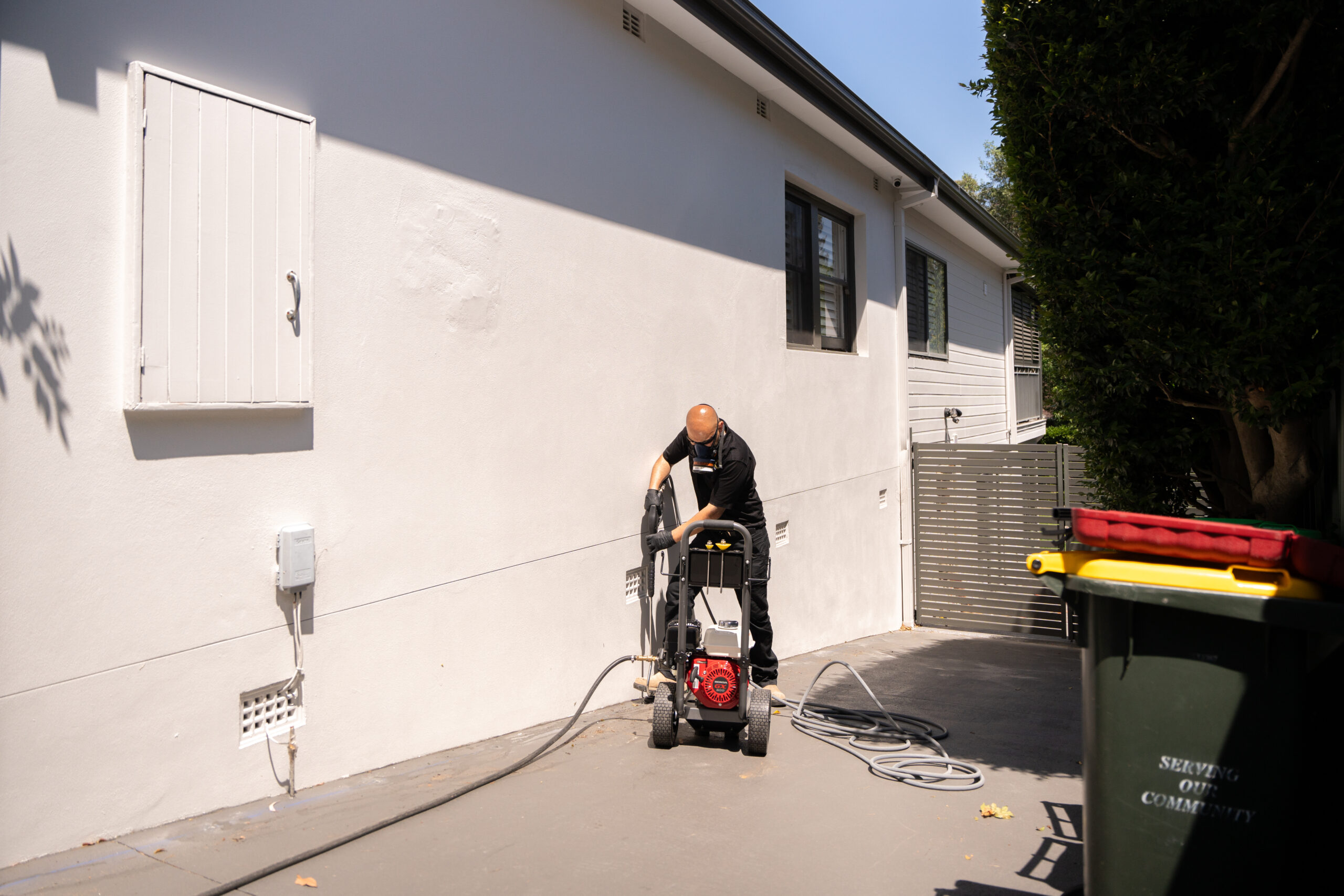
A physical termite barrier is a durable, non-toxic system that blocks termites from getting concealed access into a building. These barriers go in during construction and act as a physical obstacle termites can’t get through without being seen.
Physical termite barriers include stainless steel mesh systems, graded stone barriers, and other approved termite management products. Because they don’t rely on chemicals, they’re a genuine long-term option, though they’re usually cheaper and easier to install during the build than to retrofit afterwards. If you’re relying on treated pine framing for extra protection, it’s worth reading our breakdown of whether termites actually eat treated pine first.
Chemical Termite Barriers
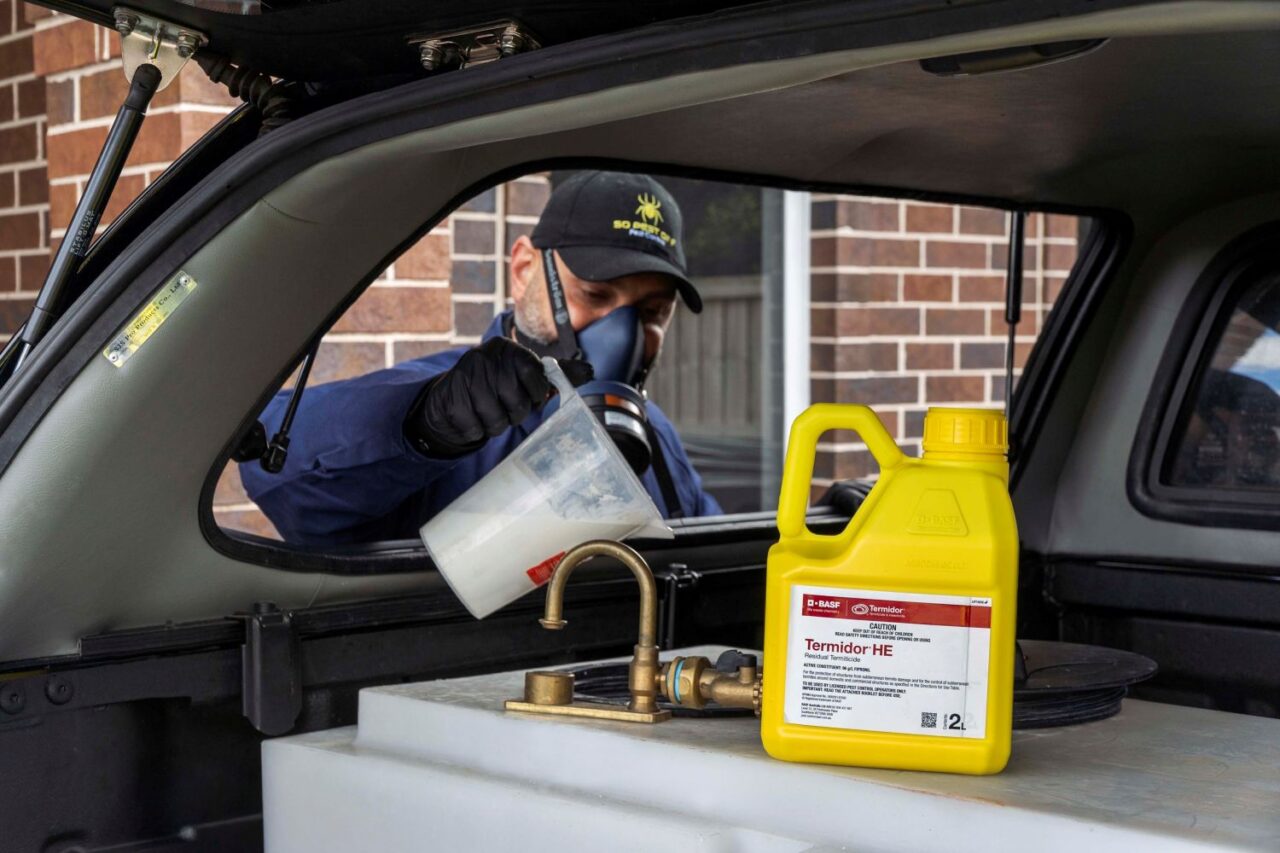
A chemical termite barrier involves applying professional-grade termiticide to the soil around your home’s foundations. This creates a treated zone that either repels termites or eliminates them before they reach the structure.
Chemical barriers are one of the most common and effective options for existing homes. Modern non-repellent termiticides let termites travel through the treated zone without detecting it, then carry the active ingredient back to the colony, so you get control beyond just the treated area.

Termite Baiting and Monitoring Systems
One option worth knowing about is the Trelona® Advanced Termite Baiting System, part of the Termidor® termite protection range.
A professional termite baiting and monitoring system is one of the most effective ways to detect and control termite activity before it causes real damage. At So Pest Off Pest Control, we install and recommend the Trelona® Advanced Termite Baiting System (ATBS).
Why We Recommend Trelona® Termite Baiting Systems
The Trelona® termite baiting system does two jobs at once, which is why we rate it.
First, it works as an ongoing termite monitoring system, picking up termite activity around your property before termites reach your home.
Second, it’s an active baiting system. Termites feed on the bait in the stations, carry the active ingredient back to the colony, and that’s what drives colony suppression rather than just removing the termites you can see.
That combination, monitoring plus baiting, is why Trelona® is one of the more effective termite management systems we install in Australian homes.
Compatible with Other Termite Protection Systems
One of the advantages of the Trelona® ATBS System is that it works alongside other termite management solutions.
Trelona® can be installed alongside:
- Termidor® Chemical Soil Barriers
- Termite Reticulation Systems
- Existing termite management programs
- Annual termite inspection schedules
Combining a termite baiting system with a chemical termite barrier gives your home multiple layers of protection and lowers the risk of a future infestation.
Long-Lasting Termite Protection
The Trelona® ATBS stations are designed to provide long-term termite protection, with the cartridges and bait replaced on a set schedule to keep the system working as monitoring and colony suppression continue.
This makes them a cost-effective option for homeowners who want ongoing termite monitoring and management without the larger upfront investment that chemical soil barriers usually involve.
Is a Termite Baiting System Right for Your Property?
Every property has different termite risks, construction styles, and environmental conditions. A professional termite inspection is the best way to work out whether a termite baiting system, chemical termite barrier, termite reticulation system, or a combination is the right fit for your home.
At So Pest Off Pest Control, we provide termite inspections, termite baiting systems, Trelona® ATBS installations, Termidor® termite barriers, and complete termite management solutions throughout Sydney and the Hills District.
If you’re after reliable termite control, termite monitoring, or a cost-effective termite baiting system, get in touch with So Pest Off Pest Control to talk through the best termite protection for your property.

Can you compare the different termite prevention methods?
Here’s how the main termite prevention systems compare on cost and effectiveness:
| Prevention Method | Initial Cost | Maintenance Cost | Effectiveness |
|---|---|---|---|
| Reticulation System | High | Moderate (regular refills) | High |
| Chemical Barrier | Moderate | Low (inspection costs) | High |
| Termite Baiting Systems | Low | High (frequent baits) | Moderate to High |
| Physical Barriers | High | Low (maintenance checks) | High |
Common Chemicals:
- Imidacloprid
- Bifenthrin
- Fipronil
- Termidor
So Pest Off Termite Treatments
Cost, system type, and how it’s maintained all affect how well your termite protection performs long term. A licensed termite technician can assess what’s actually happening on your property and recommend the right system, rather than a one-size-fits-all answer.
Termite barriers plus regular annual termite inspections are what actually keep a home termite-free, not one or the other on its own.

Frequently Asked Questions
Straight answers to the questions we get asked most about termite barriers and termite protection in Sydney.
How much is chemical soil treatment?
Cost depends on your block more than anything else. Homes with rocky, uneven terrain, which we see a lot of across the Upper Northern Beaches, cost more to treat than the flatter blocks common through the Hills District. Because the spread is that wide, we don’t quote a number over the phone: we run a free site inspection and price it off what’s actually under your house. Call us on 0410 244 244 and we’ll get you booked in.
How much is a reticulation system refill?
Refill cost depends on which chemical you use and how much your system holds. Cheaper products cost less per litre but need topping up more often, while premium options like Termidor cost more upfront and last longer between refills. We’ve broken down typical reticulation refill costs and what affects them in our full reticulation refill guide.
How much does installing a physical termite barrier typically cost?
It depends on your home’s size, whether you’re on a concrete slab or have accessible subfloor, and how easy the site is to work with. Physical barriers are generally cheaper to install during construction than to retrofit into an existing home. We’ll give you an exact figure after inspecting the property, not before.
Can existing homes be retrofitted with effective termite barriers?
Yes. Both physical and chemical barriers can be retrofitted into an existing home. Chemical barriers are more common for retrofits because they don’t need structural work, while physical barriers can still be added but usually involve more disruption.
How do termite barriers function when integrated into a concrete slab foundation?
On a concrete slab, termite barriers work as a shield the termites can’t get past without being detected. Physical barrier tape and mesh can be laid beneath the slab during construction, while chemical barriers are applied around the slab’s perimeter afterwards.
Are there any specific termite barrier systems recommended for use in Australian homes?
Termidor is one of the more established chemical barrier systems used in Australian homes, and it’s part of the range we install. It’s a low-toxicity, non-repellent termiticide, so termites don’t detect it and end up carrying it back to the colony rather than avoiding it. Ask us for the specific protection period on your system during your inspection, since it varies by application method and site conditions, or see our guide on termite reticulation systems for how it compares to other long-term options.
Why do I need any termite protection?
Termite activity is common across New South Wales, and the Hills District is one of the higher-risk pockets we treat regularly. The damage is often invisible from the outside, showing up as cracked paint or a soft skirting board, while the real cost is structural. Once a licensed technician opens up a wall, that damage can run into tens of thousands of dollars or more to put right.
If you want to understand your risk before it becomes a problem, see our guide on termite risk management for NSW homes or book a termite inspection.

Pest Control Services
Get A Free Quote
Contact us today for a free, no-obligation quote on your pest control needs.