There are plenty of spiders in Sydney. Here are 22 you may come across around homes and gardens in Western Sydney and the Hills District, with how to spot each one, whether the bite is a worry and whether our treatment is likely to reach it.
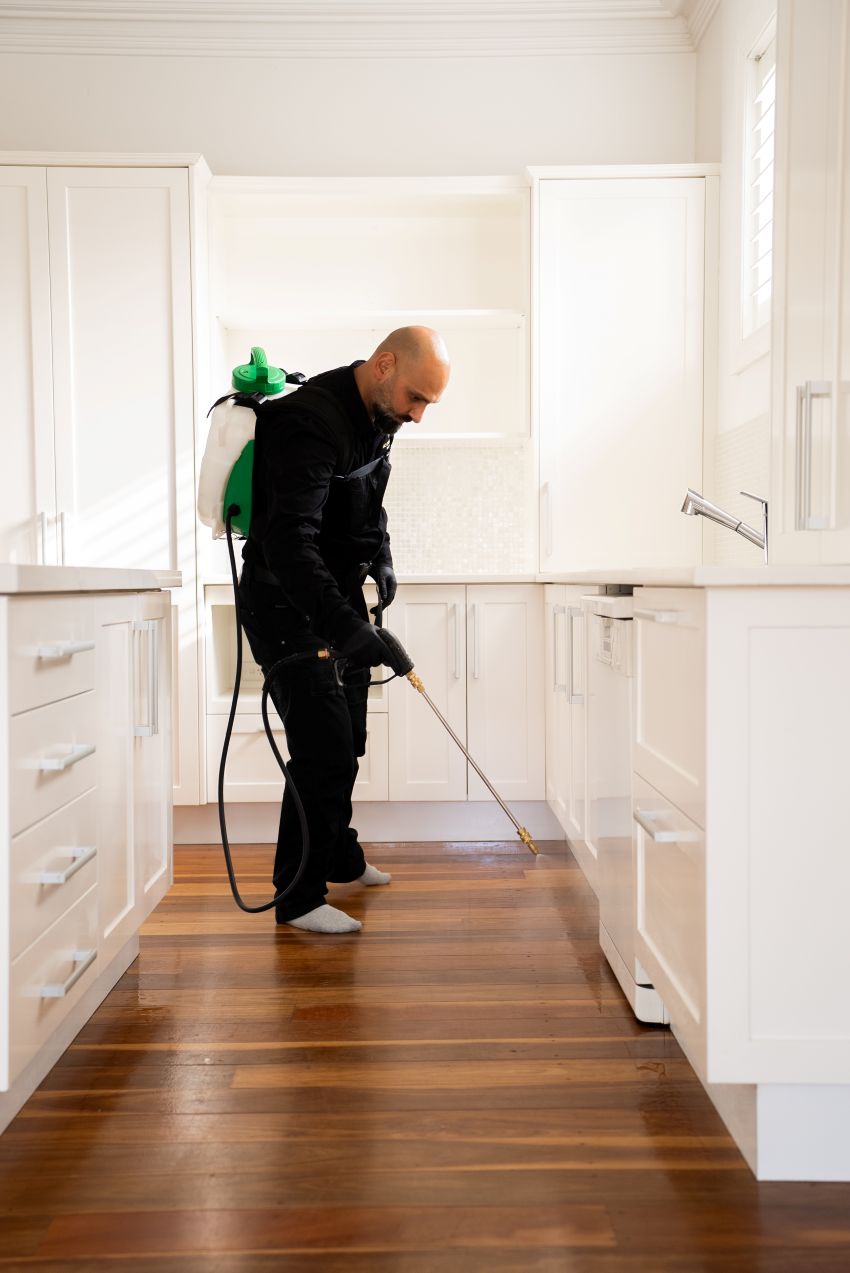
Our treatment targets webbing spiders that build on walls and in corners, because those are the areas we treat. There’s no guarantee a spider that walks around hunting will cross the treated areas, and burrowing spiders are out of reach.
Sydney funnel-web spider: shiny, dark brown to black, living in silk-lined burrows under logs and rocks. Over summer and autumn the males wander into yards and pools, and sometimes houses. A bite is a medical emergency: keep the person still, apply a pressure immobilisation bandage over the bite and the whole limb, and call an ambulance. Antivenom is available. Like other burrowing spiders, it is out of our treatment’s reach.
Redback spider: black with a red stripe on the back and a red hourglass underneath, with messy webs in sheds, under steps and in rubbish piles. Only the female’s bite is dangerous. See a doctor, and don’t bandage it. It is one of the web-building spiders our treatment targets.
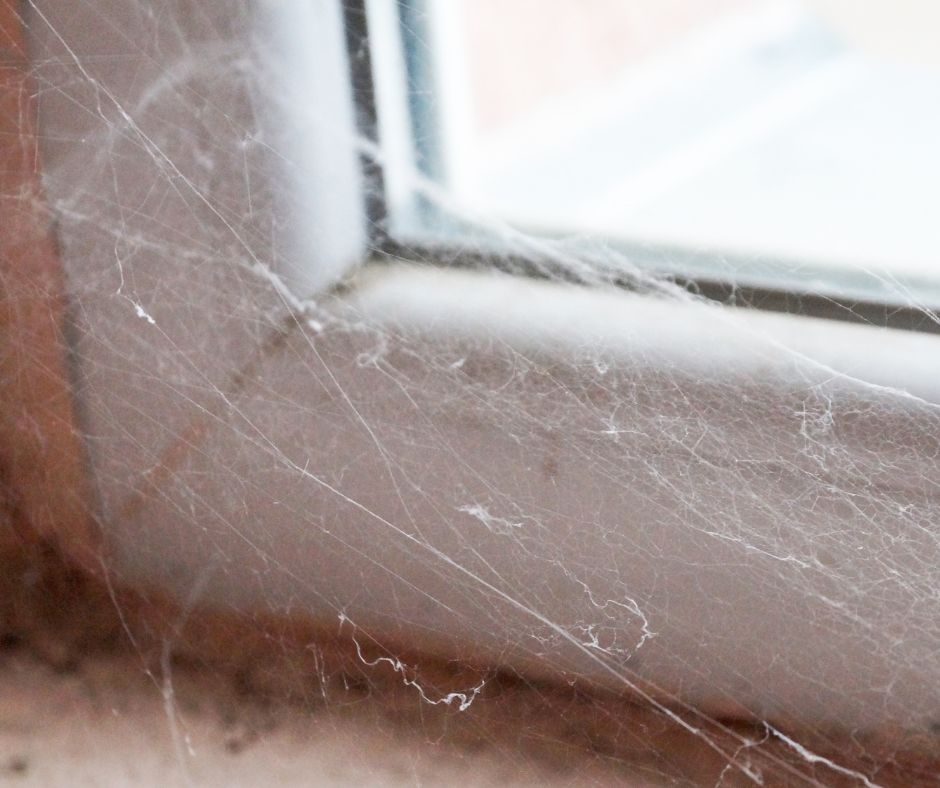
Black house spider: dark with grey hairs, building lacy webs with a funnel-shaped hideout in window frames and wall crevices. It is timid, but a bite can be quite painful and swell. Its webs often sit in the window frames we spray.
White-tailed spider: a dark, cigar-shaped body with a white tip, hunting other spiders at night in bathrooms, laundries and bedding. A bite can burn, swell and itch. It wanders, so there’s no guarantee it will cross the areas we treat.
Huntsman spider: large, flat and grey to brown, with legs that spread sideways like a crab’s. It lives under bark and sometimes comes into houses and cars. Fast, but not normally aggressive. A cold pack can ease a painful bite. It is one of the wanderers that need specialist treatment.
Badge huntsman: fawn or grey on top, with a bright black, white, orange or yellow badge underneath, living on bark and foliage. Its bite can cause severe local pain, swelling, sweating and nausea. Like other huntsmans, it sometimes comes indoors, and it is not fully covered by a general treatment.
Daddy long-legs spider: a small, pale body on very long, skinny legs, with thin tangled webs in ceiling corners and behind doors. It is not considered harmful to people, and it eats redbacks. Its webs often sit along the cornices we treat.
Cupboard spider: shiny brown to black and easily mistaken for a redback, but with no red stripe. Tangled webs in sheds, garages and upturned pots. Bites are infrequent, though in two cases redback antivenom was used. It is a web-builder, the kind of spider our treatment targets.
White porch spider: pale with darker markings and very long front legs, in a loose, tangled web under eaves and verandas. Bites are rare but can ache for up to a day. It often lives on the outside of the house, where our perimeter spray goes.
Garden orb-weaving spider: stout, reddish-brown or grey, with two humps on its back. It builds a big round web between trees and shrubs each evening and takes it down at dawn. Reluctant to bite. Mostly in the garden, away from treated walls.
Golden orb-weaving spider: large and silvery-grey to plum, with yellow-banded legs and a big golden web that stays up day and night between trees and shrubs. It rarely bites, and a bite is usually mild. It usually builds out in the garden, away from the house.
St Andrew’s Cross spider: banded silver, yellow, red and black, sitting with its legs held in pairs on a web marked with a white zigzag cross. Like other orb-weavers, it is reluctant to bite. It keeps to the low garden shrubs.
Leaf-curling spider: fat and oval, red-brown with a cream pattern, hiding in a curled leaf hung in the middle of its web. As an orb-weaver, it is reluctant to bite. It is seldom near the house.
Bird-dropping spider: squat, black, brown and white, sitting still on a leaf and looking just like a bird dropping, often on fruit trees. Its bite is not considered dangerous. It keeps to the leaves, not the walls we spray.
Flower spider: small, with crab-like front legs, often yellow or white to match the flower it sits on, especially grevilleas and wattles. Not dangerous to people. It stays on the flowers, clear of anything we spray.
Lynx spider: a striped body and spiky legs, leaping after insects on garden plants. Little is known about its bite. It hunts on the plants rather than the walls.
Jumping spiders: small and often colourful, with big eyes, jumping on their prey on house walls, fences and plants. Timid, and they rarely bite. They hunt on the move, so they may not cross the treated areas.
Net-casting spider: a stick-like body and long, thin legs, holding a small net in its front legs and stretching it over passing insects. Look for it in garden shrubs on summer nights. Not considered dangerous. It rarely comes close to the house.
Wolf spider: drab brown, grey and white, with large eyes that shine in torchlight, living in burrows and leaf litter in gardens. A bite usually causes local pain or itching. Like funnel-webs and trapdoors, it is a spider our treatment can’t target.
Mouse spider: stout and black with a big, shiny head and jaws, and the males have either a red head or a pale blue-white patch on the body. Males wander from late summer into early winter, often by day. Treat a bite like a funnel-web bite. It lives in a burrow, so our treatment can’t reach it.
Sydney brown trapdoor spider: dusty-looking, with golden-brown hairs, and its burrow has a neat silk rim and no trip-lines. Its bite is not dangerous, but it is often mistaken for a funnel-web, so treat any bite with caution. Trapdoors burrow, so they are out of our treatment’s reach.
Sac spider: slender and cream, brown or yellow, resting in a silk sac in folded leaves or in wall and ceiling corners indoors. Bites are uncommon and usually minor. As a wanderer, it may not cross the cornices and skirtings we treat.
Not sure which spider you’ve got? Call us on 0410 244 244 and tell us what you’re seeing.